
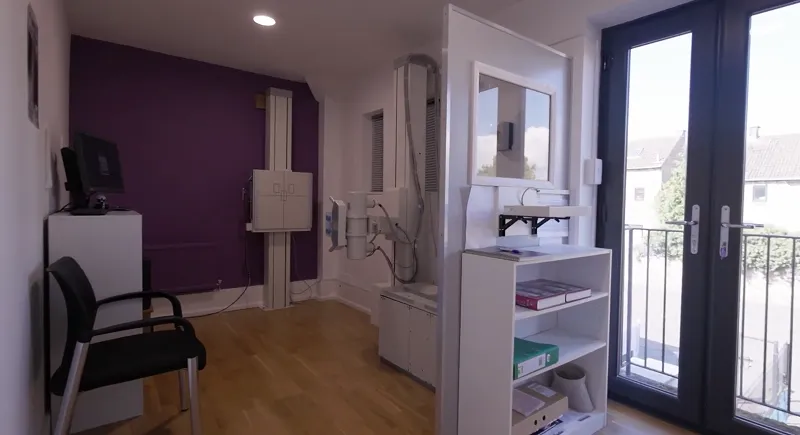
What You Need to Know Before Your Chiropractic Imaging Appointment
If your chiropractor recommends spinal X-rays, one of the first questions that may come to mind is:
“Are digital X-rays safe for my spine?”
It’s a smart and important question.
At Goddard Chiropractic, patient education is a top priority. Understanding how digital X-rays work, why they’re used, and how safe they are can help you feel confident in your care plan. Let’s break it down in a clear, research-backed, and easy-to-understand way.
What Are Digital X-Rays?
Digital X-rays are an advanced imaging technology used to capture detailed images of your spine and musculoskeletal system.
Unlike traditional film X-rays, digital radiography uses electronic sensors instead of film to produce high-quality images that can be viewed instantly on a computer screen.
In chiropractic care, digital spinal X-rays help evaluate:
- Spinal alignment
- Postural imbalances
- Disc spacing
- Degenerative changes
- Scoliosis
- Injury-related damage
- Structural abnormalities
This imaging allows chiropractors to create personalised treatment plans tailored specifically to your spinal health.
Are Digital X-Rays Safe?
The short answer: Yes, digital X-rays are considered very safe when used appropriately.
Digital X-ray technology uses significantly lower radiation compared to traditional film X-rays. In fact, digital radiography can reduce radiation exposure by up to 70–80% compared to older systems.
To put this into perspective:
- The radiation from a spinal X-ray is comparable to the natural background radiation you’re exposed to in daily life.
- Modern equipment is carefully calibrated to use the lowest radiation dose necessary to obtain clear images.
At Goddard Chiropractic, safety protocols are always followed to minimize exposure while ensuring accurate diagnostic results.
Understanding Radiation Exposure
It’s normal to feel cautious when you hear the word “radiation.” However, it’s important to understand context.
We are exposed to natural background radiation every day from:
- The sun
- Soil
- Air
- Air travel
- Household appliances
A typical digital spinal X-ray exposes you to a very small amount of radiation often similar to a few days of natural background exposure.
Healthcare providers follow strict guidelines known as ALARA (As Low As Reasonably Achievable) to ensure radiation doses remain minimal and medically justified.
Why Chiropractors Use Spinal X-Rays
Chiropractic care focuses on spinal alignment and nervous system function. While not every patient requires imaging, digital X-rays are recommended when clinically necessary.
Reasons your chiropractor may suggest spinal X-rays include:
- Chronic back pain
- Persistent neck pain
- Suspected scoliosis
- Injury from an accident
- Limited mobility
- Unexplained neurological symptoms
- Evaluating structural changes
Spinal imaging helps ensure that chiropractic adjustments are both safe and precise.
Without imaging, certain underlying conditions such as fractures, severe degeneration, or structural abnormalities may not be fully visible through physical examination alone.
Learn More About Chiropractic Care
If you’re experiencing back pain, neck pain, posture issues, or recovering from an injury, professional chiropractic evaluation may help you find answers.
To better understand how spinal imaging and chiropractic adjustments work together, read more about chiropractic care here.
Benefits of Digital X-Rays in Chiropractic Care
When used appropriately, digital X-rays provide several advantages:
1. Improved Diagnostic Accuracy
Clear imaging allows your chiropractor to see the exact alignment of your spine and identify areas of concern.
2. Safer Adjustments
Knowing the structure of your spine ensures that chiropractic adjustments are performed safely and effectively.
3. Personalised Treatment Plans
Every spine is different. Digital imaging helps tailor your chiropractic care to your unique needs.
4. Faster Results
Digital images are available instantly, reducing wait times and allowing for immediate review.
5. Lower Radiation Exposure
Compared to traditional film X-rays, digital radiography significantly reduces radiation dosage.
Are Digital X-Rays Safe for Children?
Parents often ask whether chiropractic X-rays are safe for children.
In paediatric chiropractic care, imaging is only recommended when medically necessary. Because children are more sensitive to radiation, chiropractors take extra precautions and carefully evaluate whether imaging is appropriate.
In many cases, children do not require X-rays unless there is trauma, scoliosis screening, or a specific concern.
When X-Rays May Not Be Needed
It’s important to know that digital spinal X-rays are not routine for every chiropractic patient.
Many cases of acute back pain or mild neck discomfort can be evaluated through:
- Physical examination
- Posture analysis
- Range-of-motion testing
- Orthopedic and neurological assessments
At Goddard Chiropractic, imaging is recommended only when it provides meaningful diagnostic value.
Addressing Common Concerns About Chiropractic X-Rays
“Can X-rays damage my spine?”
No. The radiation dose used in modern digital radiography is very low and does not cause structural damage to bones or tissues.
“Should I avoid X-rays if I’m pregnant?”
If you are pregnant or suspect pregnancy, always inform your chiropractor. Imaging is typically postponed unless absolutely necessary for medical reasons.
“Are repeated X-rays harmful?”
Chiropractors avoid unnecessary repeat imaging. Follow-up X-rays are only recommended if clinically indicated to monitor structural changes or recovery progress.
The Role of Technology in Modern Chiropractic Care
Healthcare technology continues to advance, and digital X-rays are a major improvement over older imaging systems.
High resolution digital images allow chiropractors to:
- Zoom in on specific vertebrae
- Adjust contrast for better clarity
- Identify subtle misalignments
- Track progress over time
This modern approach supports evidence-based chiropractic care focused on safety and precision.
The Bottom Line: Safe and Patient-Focused
So, are digital X-rays safe for your spine?
Yes, when used appropriately and performed with modern equipment, digital spinal X-rays are considered safe, low-risk, and highly valuable diagnostic tools.
They help ensure that your chiropractic adjustments are:
- Accurate
- Personalized
- Safe
- Effective
At Goddard Chiropractic, your safety and comfort always come first. Imaging is never recommended unnecessarily, and every decision is made with your long-term spinal health in mind.
Schedule Your Appointment Today
Your spine plays a vital role in your overall health. Whether you need an evaluation for chronic pain, posture correction, or preventive wellness care, we’re here to help.
Take the next step toward better spinal health and peace of mind.
Book your appointment with Goddard Chiropractic today and experience safe, personalised chiropractic care.